Nature of Delaware Blog
Discover stories from the field, community spotlights, and tips for exploring and protecting Delaware’s natural world.
-
A Day at the Marsh
by Dakin Hewlett, Watershed Education Coordinator Fall not only brings the oncoming burst of changing colors, but also marks the beginning of the monarch butterfly’s incredible migration to Mexico. The DuPont Environmental Education Center highlighted the butterfly’s unique journey at their 4th Annual Marsh & Monarch Celebration on September 23rd. Blue skies and sunshine greeted over 200…
-
The Charm of Goldfinches
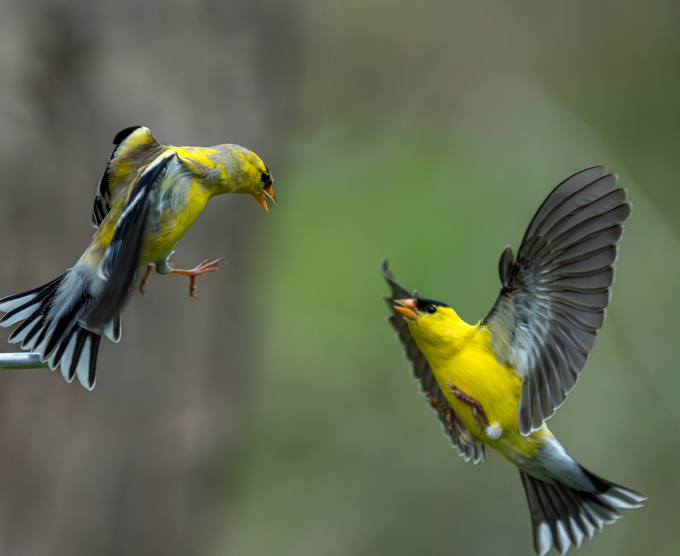
Ian Stewart American Goldfinches are one of my favorite birds. Their scientific name, Spinus tristis, translates as ‘Sad bird of thorn bushes’ and derives from their mournful rubber-duck like ‘squeak’ call. Personally, I think this name is unfair, as Goldfinches always seem such happy, colorful characters (like the female pictured below) with their jaunty, bouncy…
-
The Annual Bio-Blitz at Middle Run Natural Area
By: Tim Freiday, Middle Run Project Coordinator On Sunday, September 3, 2017, Delaware Nature Society held the annual Bio-Blitz at Middle Run Natural Area. Although rainy at 6:00 am, the skies cleared by 7:00 am and it turned out to be a very productive day with over 200 different species of organism recorded. In the park,…
-
American Kestrels at the Coverdale Farm Preserve
Story and photography by Jim White, Senior Fellow for Land and Biodiversity Although I have seen it many times, I still always pause at the sight of an American Kestrel. This smallest, and most colorful, of North American falcons is a master of flight. It can soar high — or hover dragonfly-like over open lands…
-
Looking for Birds in Strange Places
By Sally O’Byrne, Trip LeaderPhotos by Robert Tuttle, Jr. A wastewater plant may not be the first place that comes to mind to look for birds, but many birders know the secret; They can prove to be quite good places to find gulls and waterfowl, often unusual in timing or species. Our local plant, operated…
-
Lifting the lid on the life of birds
Ian Stewart, Ornithologist One of the best ways to connect with nature is to monitor bird nest boxes. Regularly checking the contents of an active nest box lets you watch the whole breeding cycle unfold before your very eyes! It starts with nest building, progresses through egg laying and nestling rearing and then (hopefully) ends…
Stay Connected
Sign up for our newsletter to be the first to hear about news, events, and ways to support our mission.
3511 Barley Mill Rd
Hockessin, DE 19707
302.239.2334
© 2026 Delaware Nature Society. All rights reserved.