
Over the last 2 years, Delaware Nature Society along with partners from US Fish and Wildlife Service, City of Wilmington Public Works and Parks and Recreation, 3rd District NPC, and Straughan Environmental, and Green Building United came together to help fund the design and construction of the Johnston Park biorientation basins that were planted last week with a group of 16 volunteers. Delaware Nature Society has been working closely with City of Wilmington Parks and Recreation over the last 3 years, installing a variety of native plant habitat projects from pollinator gardens to slope stabilization. With our established relationship, DNS was able to act as the connecting partner and secured an additional $200,000 in funding to make this project a reality.
On April 3, 2026, communities came together at Johnston Park in Wilmington to bring new life to a growing community space. Led by Kerry Wilson, Habitat and Outreach Manager for Delaware Nature Society, and supported by community partners, the next phase of the 1,300-foot rain garden project took root with an impactful day of planting.
With the help of dedicated volunteers and partners, more than 800 native plants were planted in newly constructed beds within a bio-retention basin. This space was designed to manage stormwater while creating habitat for pollinators, insects, and other wildlife. Deep-rooted native plants will improve soil health, absorb excess water, reduce runoff, and help prevent erosion.
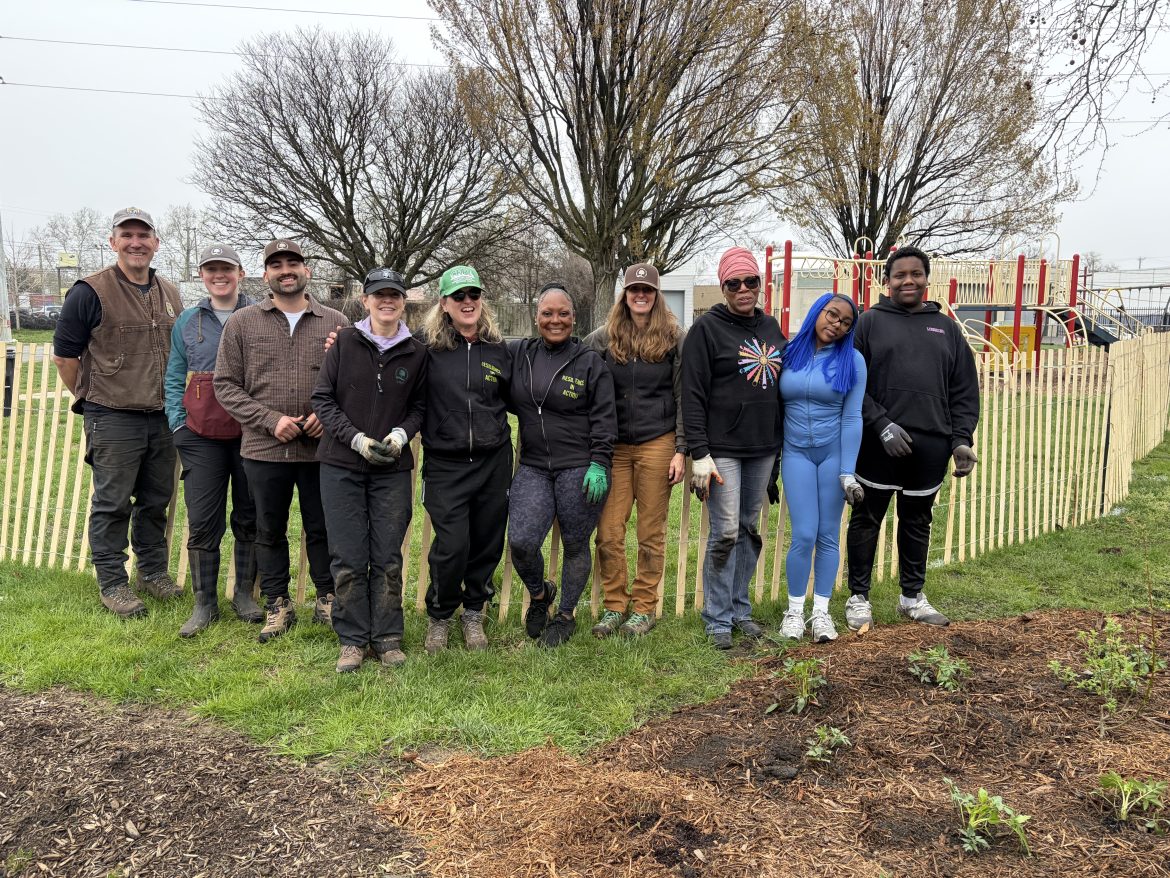
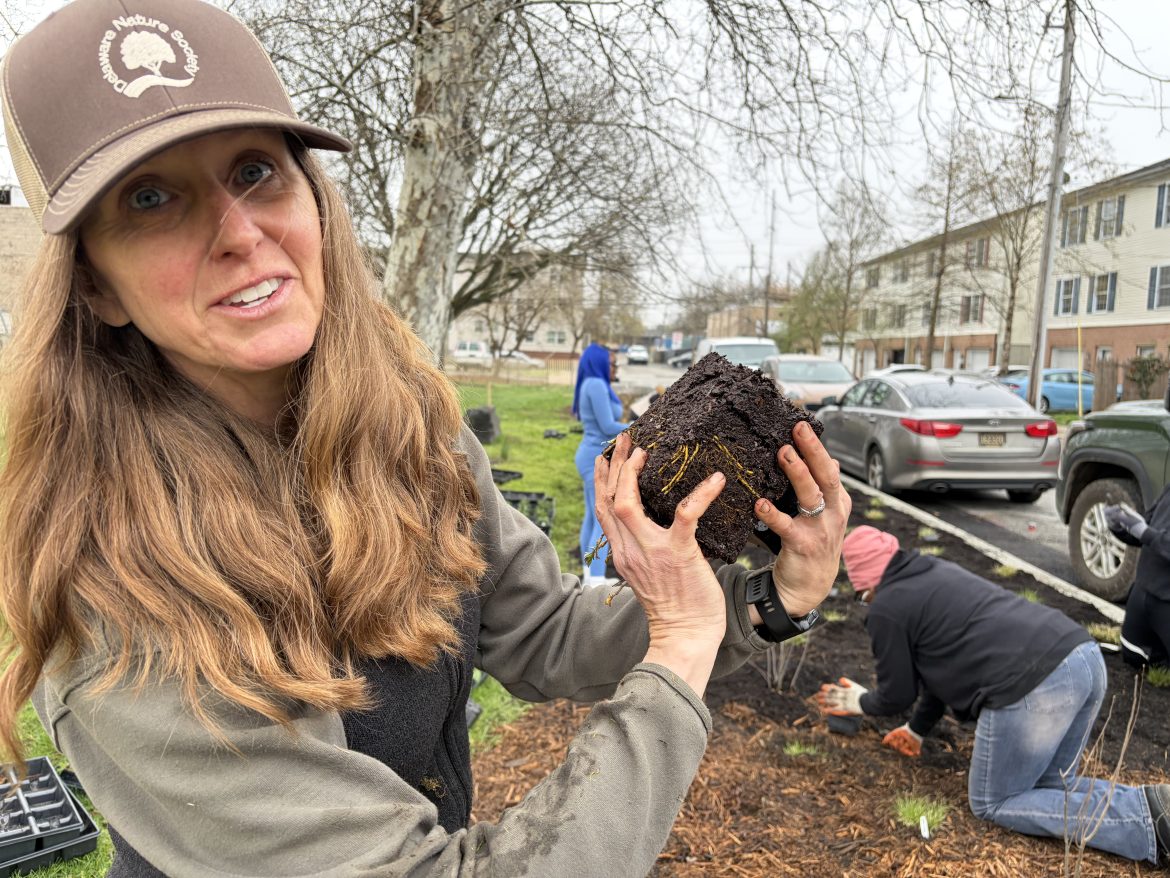
Throughout the event, participants learned how to install native plants, what makes a plant native, and why these species are so important for healthy ecosystems. They also gained practical knowledge about maintaining green spaces and how to care for them over time.
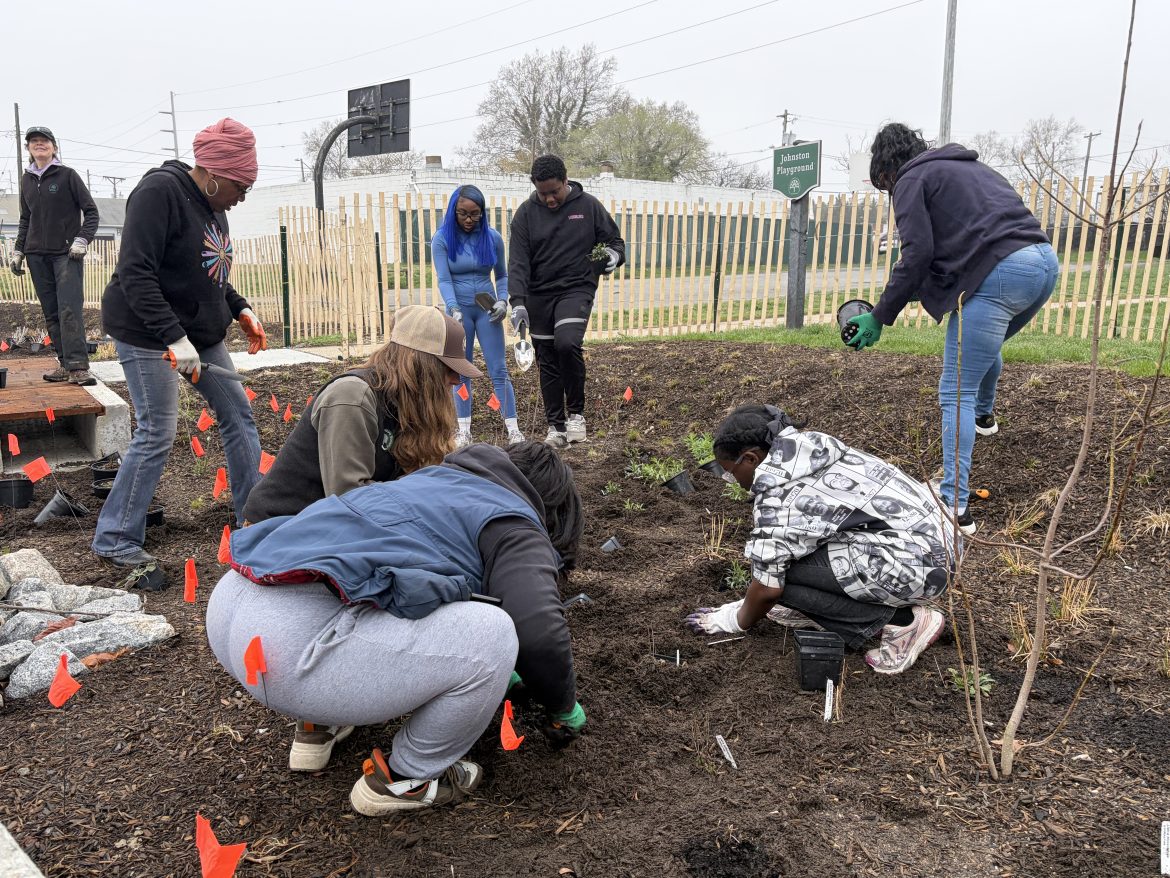
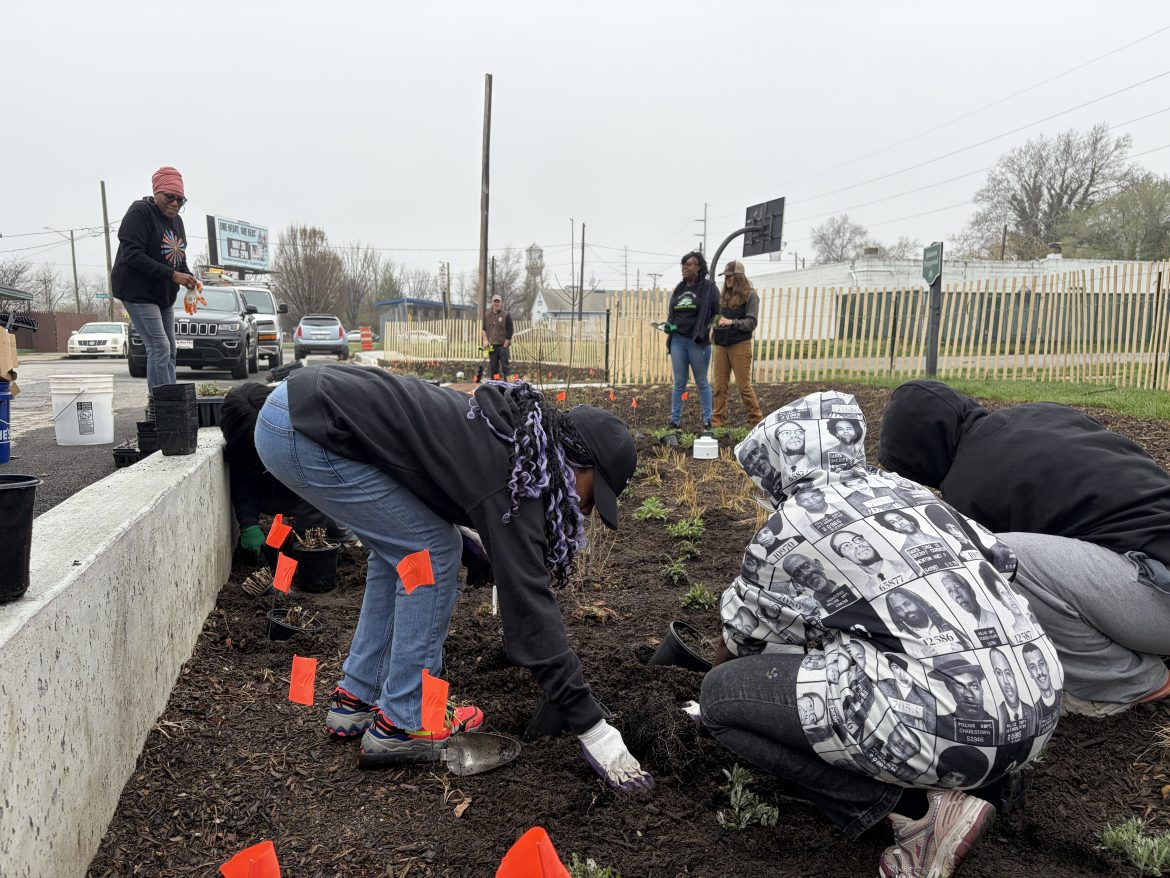
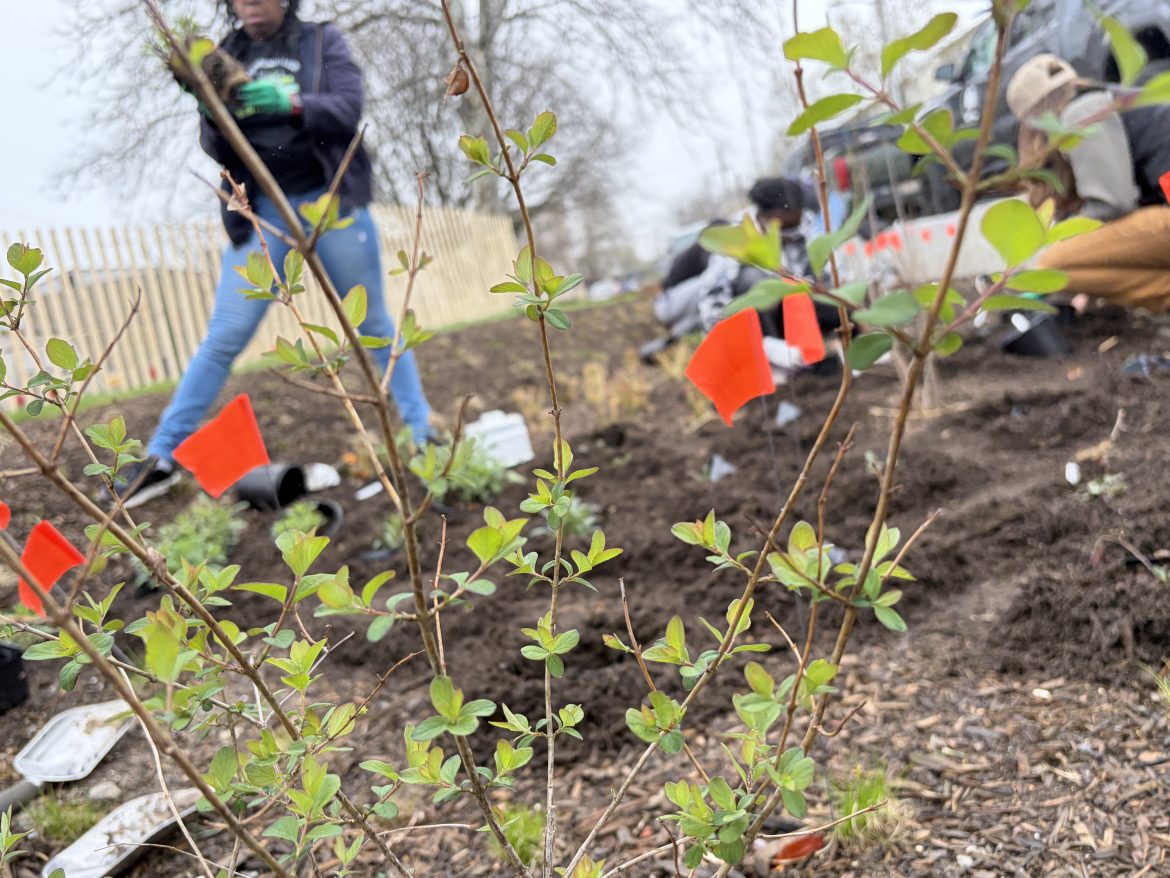
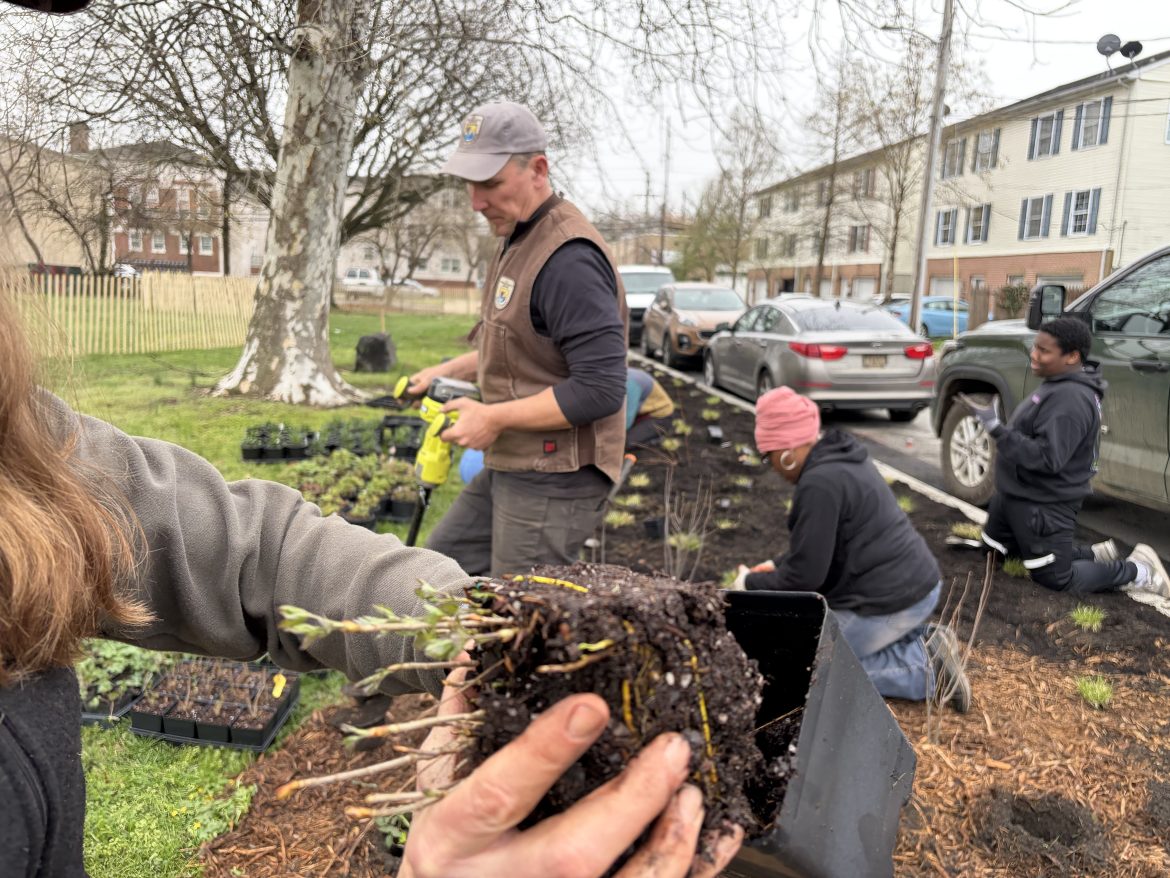
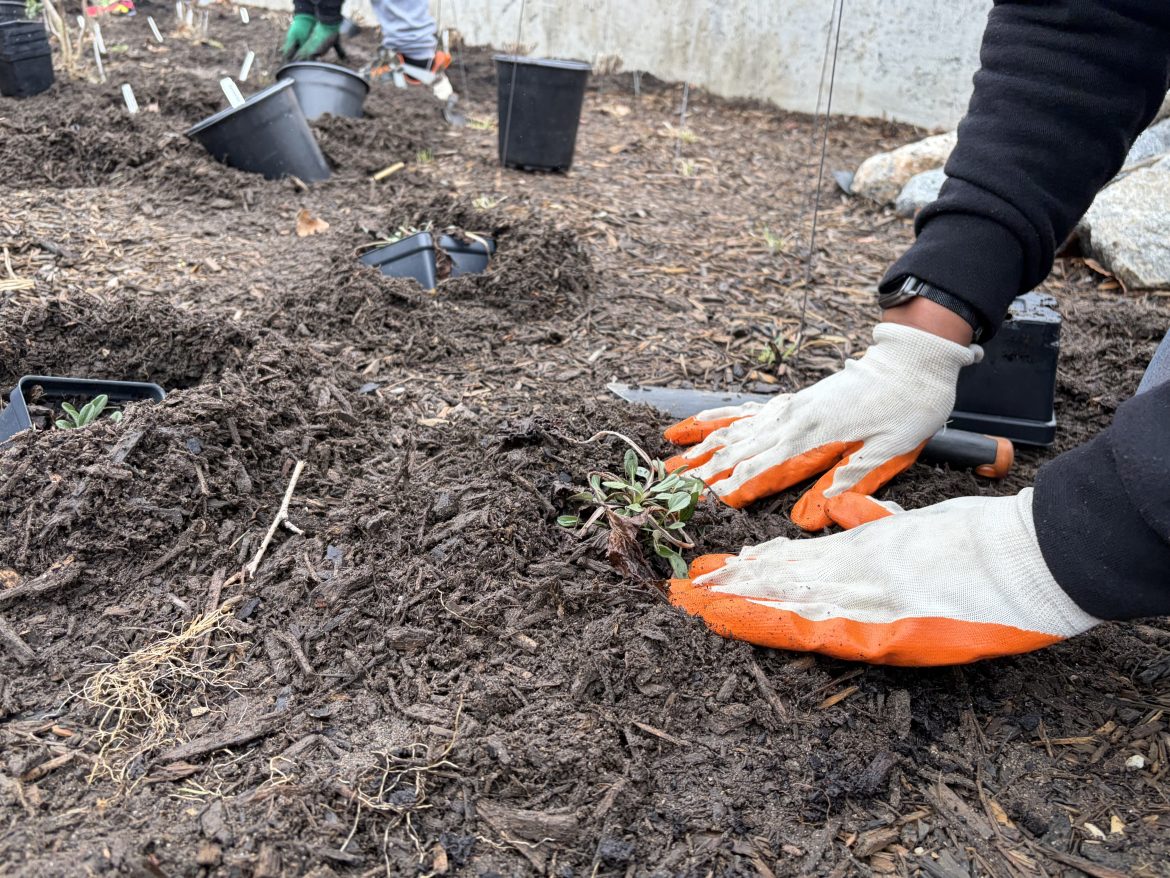
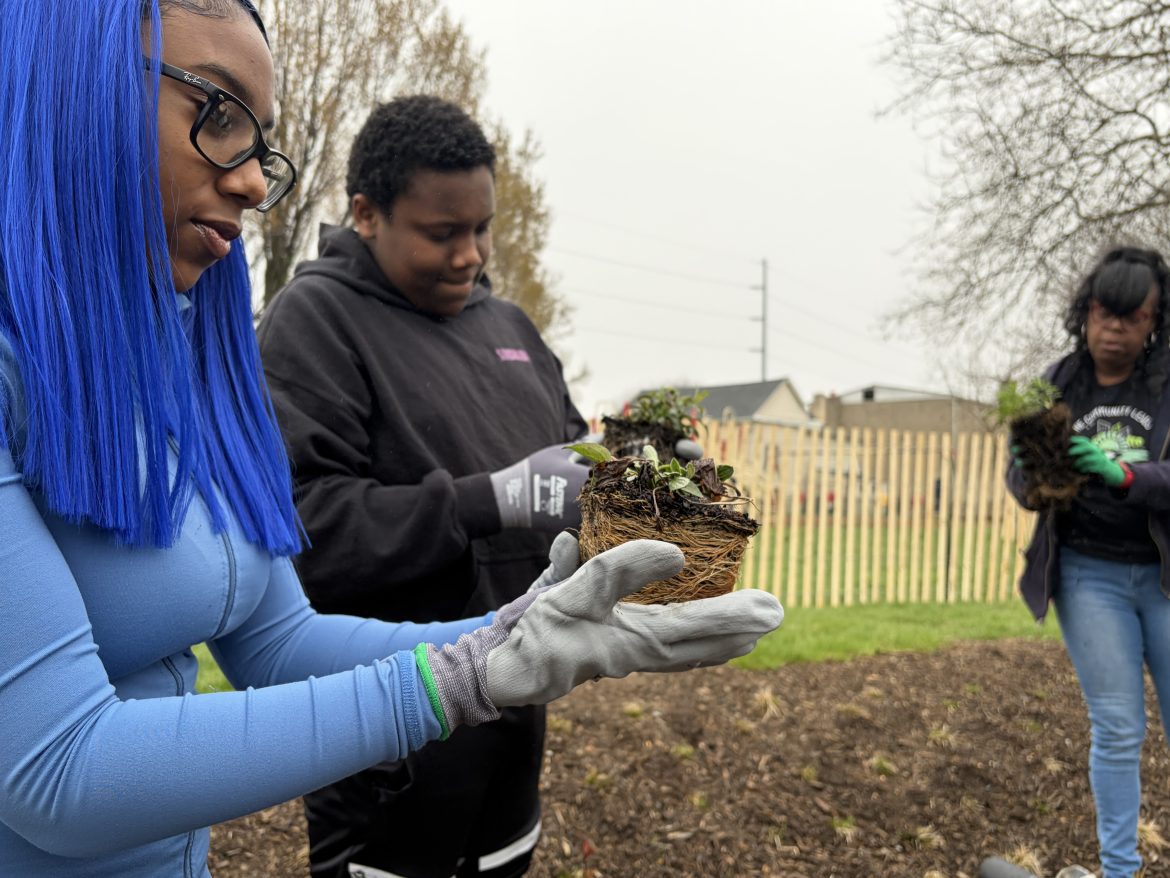
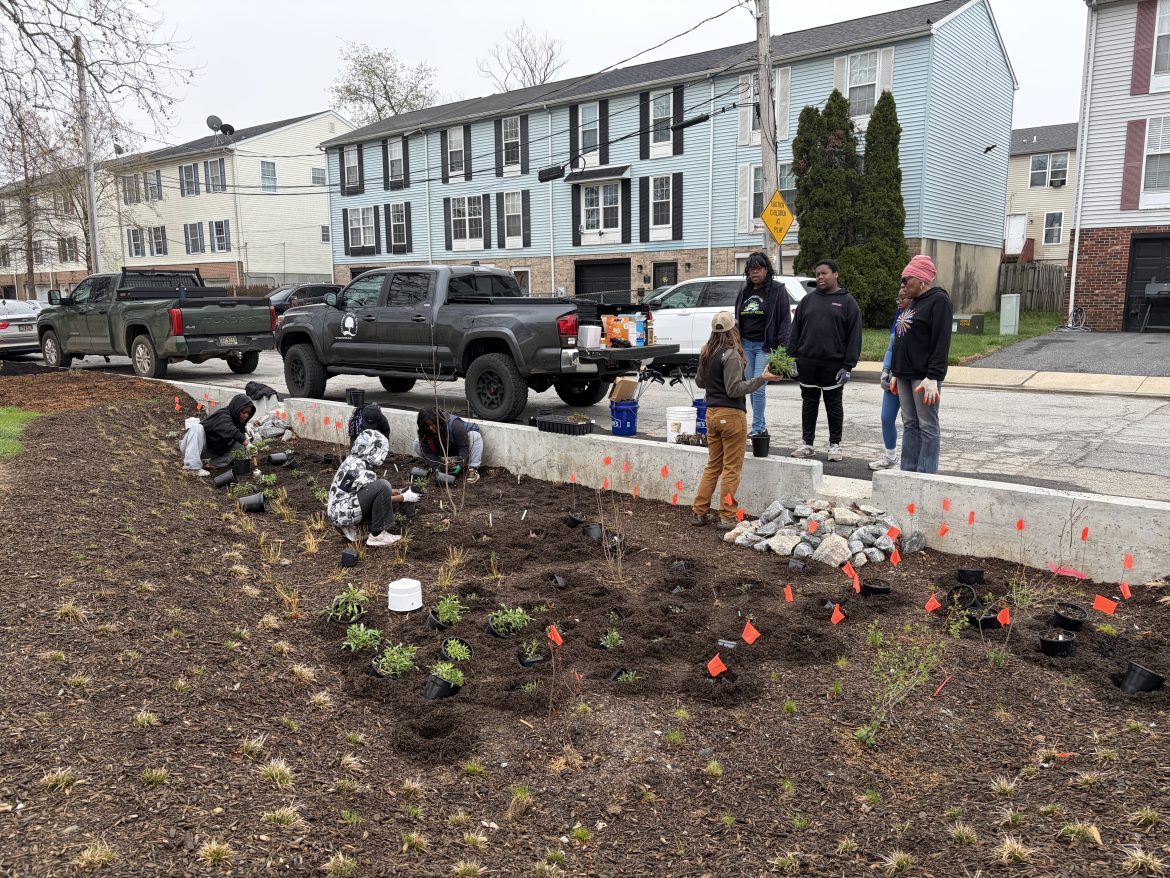
The rain garden now features, and will continue to incorporate through future plantings, a diverse mix of native species, including Anaphalis margaritacea, Aquilegia canadensis, Asclepias tuberosa, Aster oblongifolius ‘October Skies’, Echinacea ‘Pow Wow White’, Echinacea purpurea ‘Rubinstern’, Eupatorium ‘Baby Joe’, Heuchera americana, Juncus effusus, Liatris microcephala, Lupinus perennis, Monarda punctata, Oenothera fruticosa, Rudbeckia fulgida ‘Goldsturm’, Solidago nemoralis, Solidago caesia, Liatris spicata, Carex pensylvanica, and Zizia aurea.
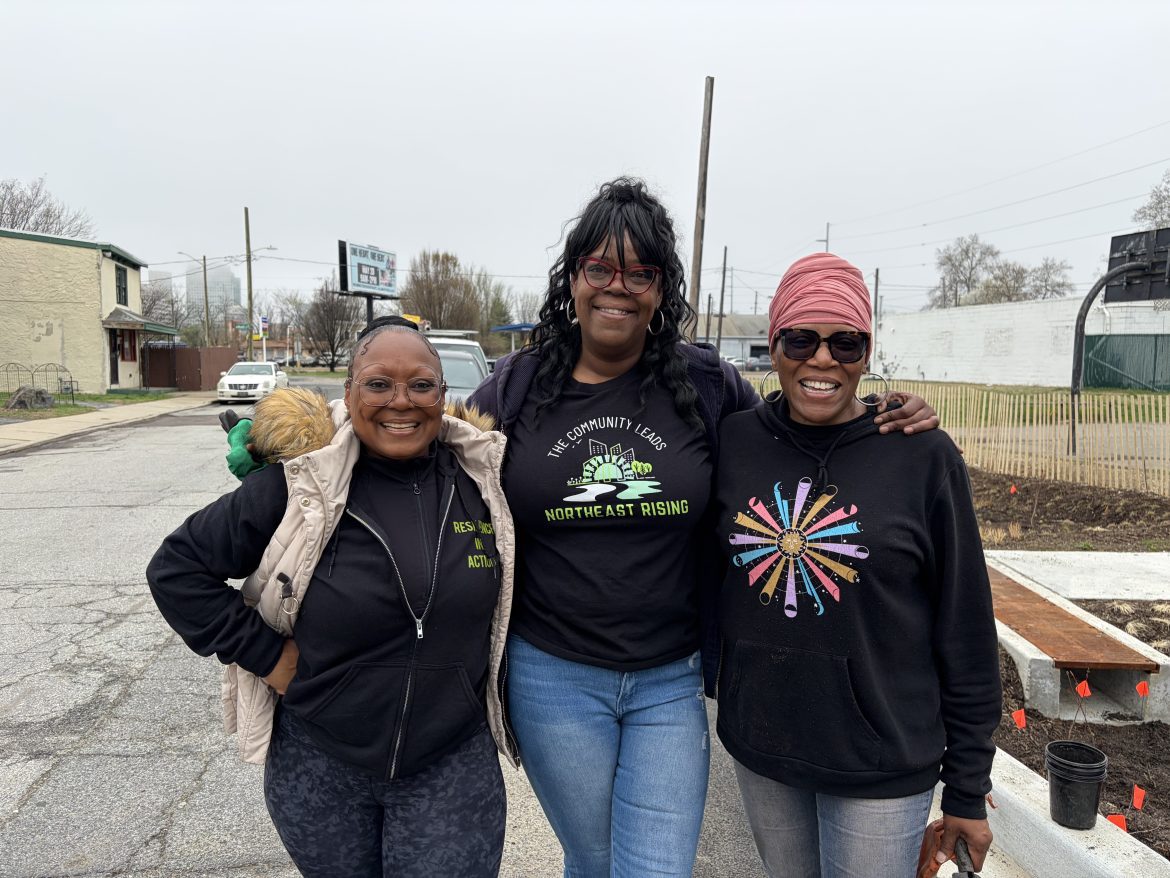
This project was also driven by strong community efforts. This project was advocated by Carla Davis, a local resident and community activist, about 10 years ago. Projects like these require partnership and community buy in for their long-term sustainability.
Kerry Wilson will continue to work with the community, Public Works, and Parks and Recreation to maintain and steward the bioretention basins. Additionally, DNS will be installing 4,000 ft2 of naturalized garden space adjacent to the retention basins. This foundation of roughly 6,000 diverse native plants will help deliver ecological services such as food, water, shelter, nesting, and rearing habitat within the Wilmington ecosystem while also cleaning water, reducing the urban heat island effect, and managing nuisance stormwater. The basin and the additional naturalized garden are models for how parks can increase their nature footprint, benefiting both people and wildlife. Delaware Nature Society offers workshops for those interested in learning more about native plants and garden maintenance, helping to support healthier, more resilient green spaces across our communities. Kerry Wilson envisions this space as a model for green infrastructure in the city of Wilmington.
Want to support or get involved with opportunities like this?